Sleep Apnea Test: At-Home vs In-Lab
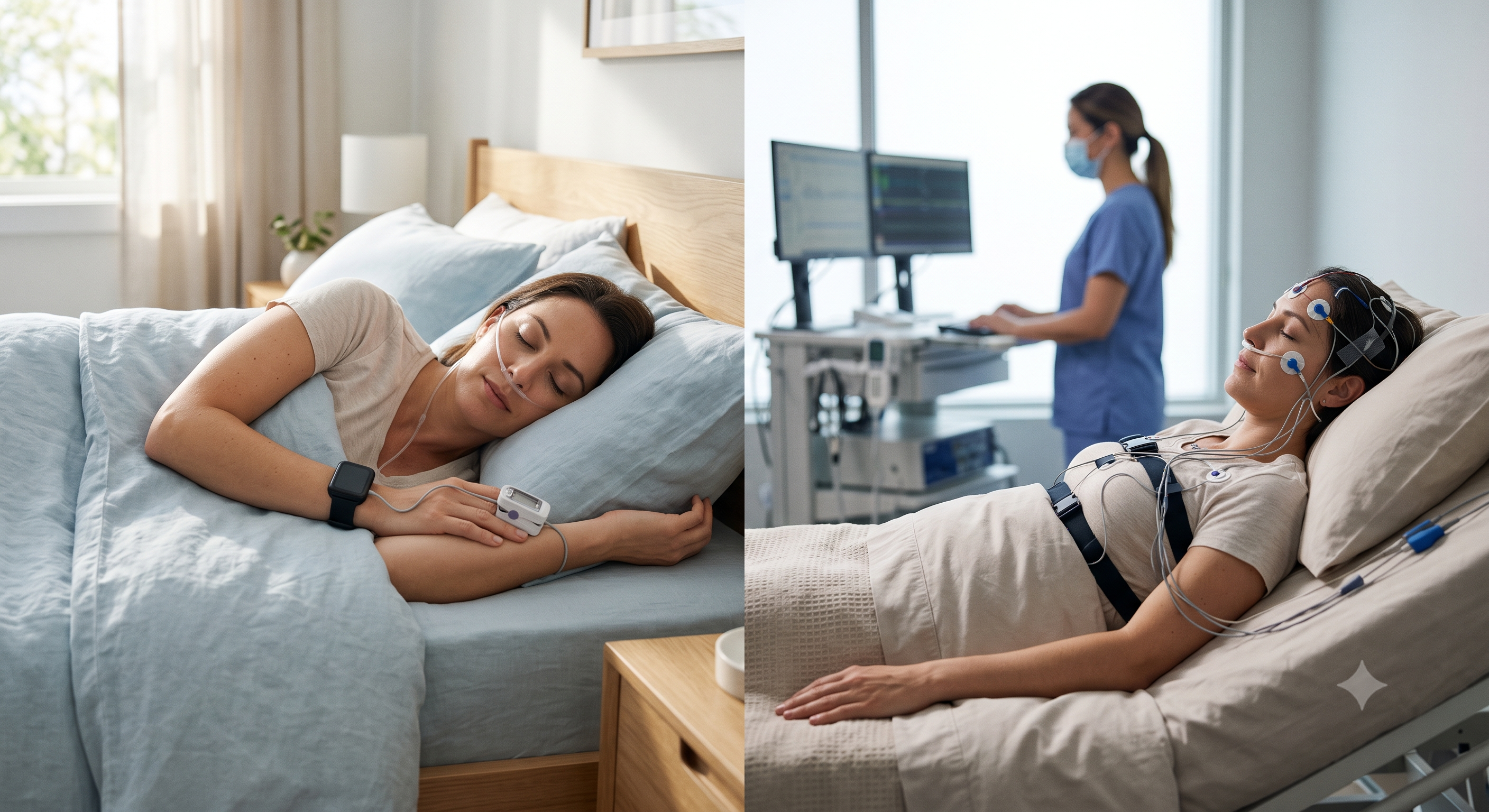
A sleep apnea test is either an unattended at-home study (CPT 95806, roughly $169–$419) or an in-lab attended polysomnography (CPT 95810/95811, roughly $625–$746). Both measure your Apnea-Hypopnea Index; an AHI of 5+ with symptoms, or 15+ without, confirms obstructive sleep apnea.
Choosing a sleep apnea test usually comes down to one framework: the Setting-and-Signal test. Setting is where you sleep during the study — your own bed for an at-home test, or a monitored sleep center for an in-lab study. Signal is how much physiological data is recorded — an at-home device tracks fewer channels than a full lab polysomnography, but for most people with a moderate-to-high pretest suspicion of sleep apnea, it captures enough signal to reach a diagnosis. Understanding both halves of that framework makes it easier to know which test your doctor is likely to order, and why.
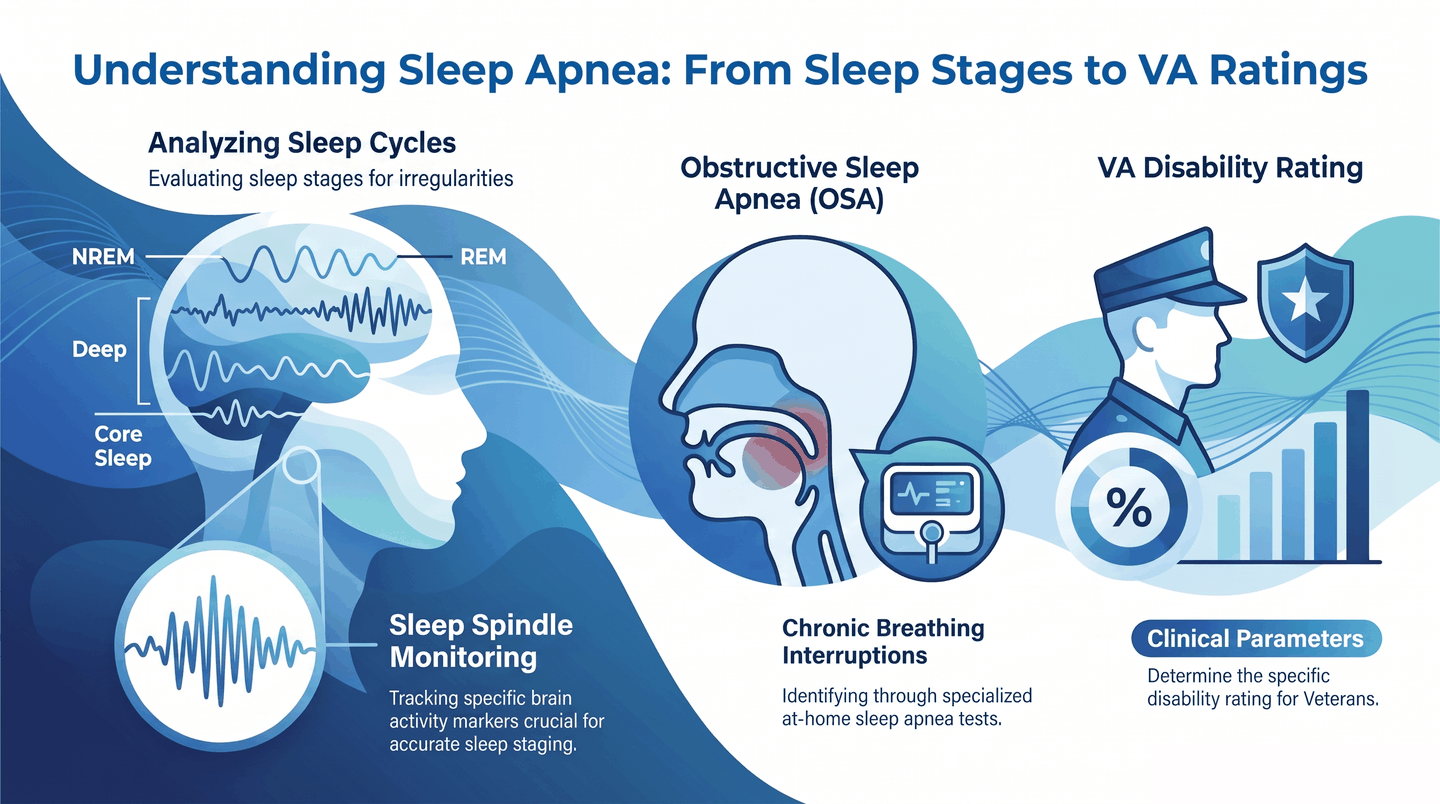
An at-home sleep apnea test is an unattended study you take overnight in your own bedroom using a small portable monitor, billed under CPT code 95806. It is ordered by a doctor, not bought over the counter, and typically records airflow, breathing effort, and oxygen levels while you sleep in your normal environment. Because there is no technician present and fewer channels are recorded than in a lab, at-home testing works best when a doctor already suspects moderate-to-severe obstructive sleep apnea rather than a more complex or borderline case.
Cost is the biggest practical difference. A Medicare-based coding comparison put the at-home test near $169 versus about $625 for an in-lab attended study (CPT 95810/95811), and a separate published study estimated at-home testing at roughly $419 versus about $746 in-lab. Either way, home testing is consistently the less expensive route, which is part of why it has become a common first step before considering options like a CPAP machine or other sleep apnea treatment.
Because an at-home test is mailed to you or picked up and then used in your own bed, "near me" matters far less than it does for an in-lab study. What matters is finding a doctor or sleep clinic that can order the test and interpret the results — an at-home device on its own does not diagnose anything without clinical review. An in-lab test, by contrast, requires physically visiting a sleep center for the overnight monitored study.
There is no single "best" at-home sleep apnea test that applies to everyone, since the device used is whichever unattended monitor your doctor orders under CPT 95806. The meaningful differences are less about brand and more about whether the test is properly prescribed and the results are read by a sleep specialist — a raw readout from a home device is not a diagnosis on its own.
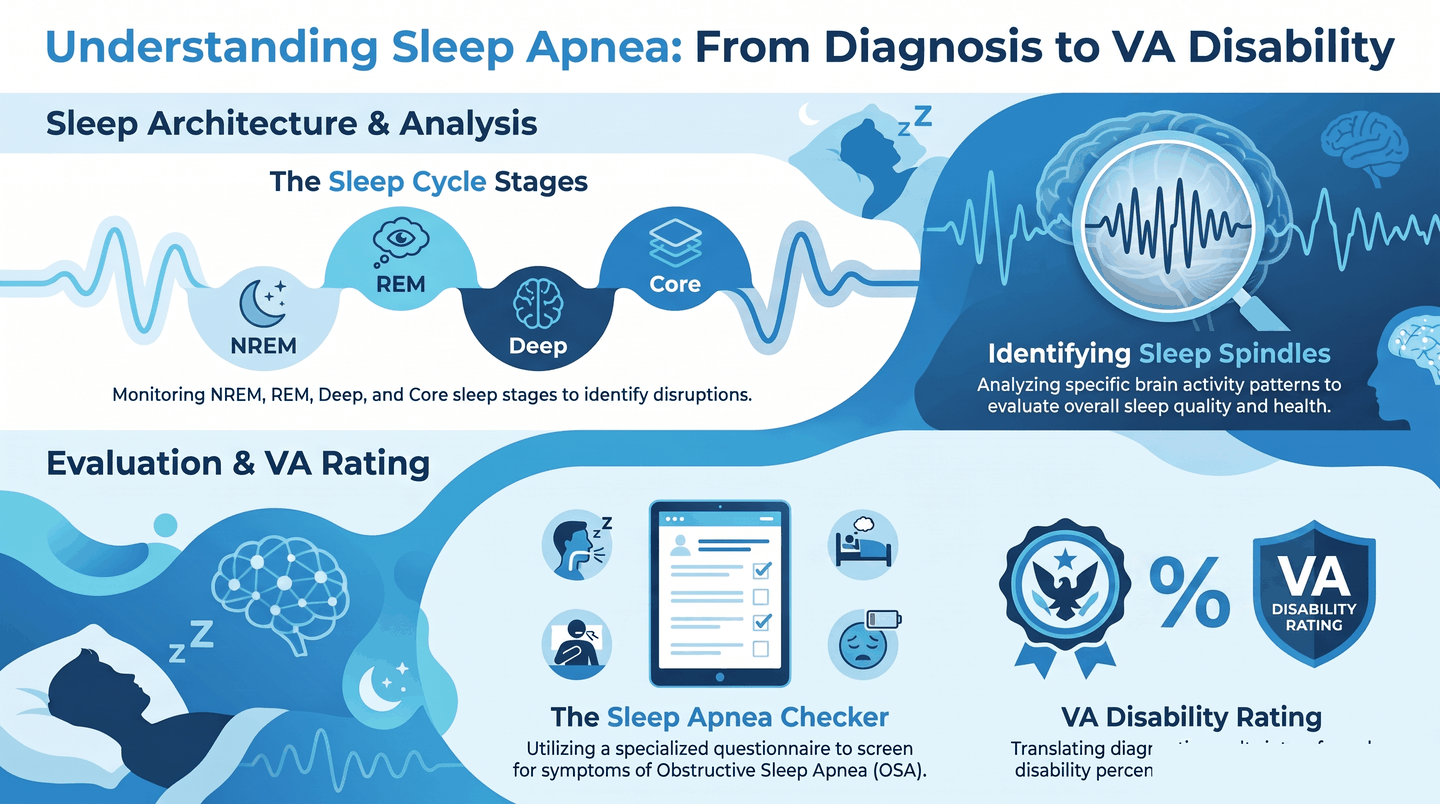
Before ordering a full sleep study, many doctors start with a short, self-reported questionnaire as a sleep apnea "checker" to gauge risk. These tools do not diagnose sleep apnea, they flag whether a monitored test is worth pursuing. The two most commonly used are the Epworth Sleepiness Scale and the Pittsburgh Sleep Quality Index.
The Epworth Sleepiness Scale is a self-reported questionnaire that asks how likely you are to doze off in everyday situations, such as sitting and reading, watching television, or riding as a passenger in a car. Because excessive daytime sleepiness is a hallmark symptom of sleep apnea, a high score is one of the signals doctors weigh alongside snoring reports and other symptoms of sleep apnea when deciding whether to order a sleep study.
The Pittsburgh Sleep Quality Index is a broader self-reported questionnaire that evaluates overall sleep quality over the prior month, covering areas such as how long it takes to fall asleep, how often sleep is disrupted, and how sleep affects daytime functioning. It is not specific to sleep apnea the way the Epworth scale is, but poor scores can point toward an underlying sleep disorder — including apnea, or conditions like insomnia — that warrants further evaluation.
The clearest signals of sleep apnea are usually reported by a bed partner rather than noticed by the person sleeping: loud, habitual snoring, witnessed pauses in breathing, or gasping and choking sounds during sleep. On the daytime side, persistent fatigue despite a full night in bed, morning headaches, and difficulty concentrating are common complaints. Because obstructive sleep apnea is estimated to affect roughly 24–33% of U.S. adults, and around 80% of cases go undiagnosed, symptoms alone are often the only clue until a test is ordered.
Yes — a sleep study is not pass-or-fail in the way a school test is, it produces an Apnea-Hypopnea Index (AHI) for that specific night. A result that falls below the diagnostic threshold means the recorded data did not show obstructive sleep apnea on that occasion. That said, a single night's test can miss a mild or night-to-night variable case, which is one reason doctors weigh the AHI number together with reported symptoms rather than the number alone.
Talk to a doctor about sleep apnea testing if any of the following apply:
Sleep apnea is estimated to go undiagnosed in about 80% of cases, and untreated severe cases carry a meaningfully higher mortality risk, so a screening conversation with a doctor is a reasonable first step rather than something to put off.
Sleep apnea is diagnosed with a monitored sleep study, either the at-home unattended test (CPT 95806) or an in-lab attended polysomnography (CPT 95810/95811), that calculates the Apnea-Hypopnea Index — the average number of breathing interruptions per hour of sleep. The formal diagnostic criterion is an AHI of 5 or higher together with symptoms such as daytime sleepiness, or an AHI of 15 or higher even without reported symptoms.
A confirmed sleep apnea diagnosis follows directly from the AHI result on either type of study, but the number is only part of the picture — a doctor also reviews symptoms, oxygen desaturation levels during the study, and general health history before recommending a course of care. Once diagnosed, common next steps include a CPAP machine or another sleep apnea treatment; sticking with therapy long-term is itself a known challenge, since only about 30–60% of CPAP users maintain consistent use over time. Improving general sleep habits, such as those covered in how to sleep better, can support treatment but does not replace it.