Insomnia: Symptoms, Causes and Treatment

Insomnia is ongoing trouble falling or staying asleep. It is chronic when it happens at least three nights a week for three months or more. Chronic insomnia affects roughly 10–15% of adults, and cognitive behavioral therapy for insomnia (CBT-I) is the recommended first-line treatment, outperforming sleep medication for long-term remission.
Insomnia is not simply "a bad night." It is a pattern of difficulty falling asleep, staying asleep, or waking too early, occurring despite having enough opportunity and time to sleep. When this pattern happens at least three nights a week for three months or longer, clinicians classify it as chronic insomnia, which affects an estimated 10–15% of adults. Chronic insomnia is not just a quality-of-life issue: it is associated with a higher risk of dementia (hazard ratio ≈ 1.36) and Alzheimer's disease (hazard ratio ≈ 1.49), which is part of why timely, effective treatment matters. If you are trying to understand why sleep is not coming easily in the first place, why can't I sleep covers common everyday causes, and sleep hygiene covers the daily habits that support consistent sleep.
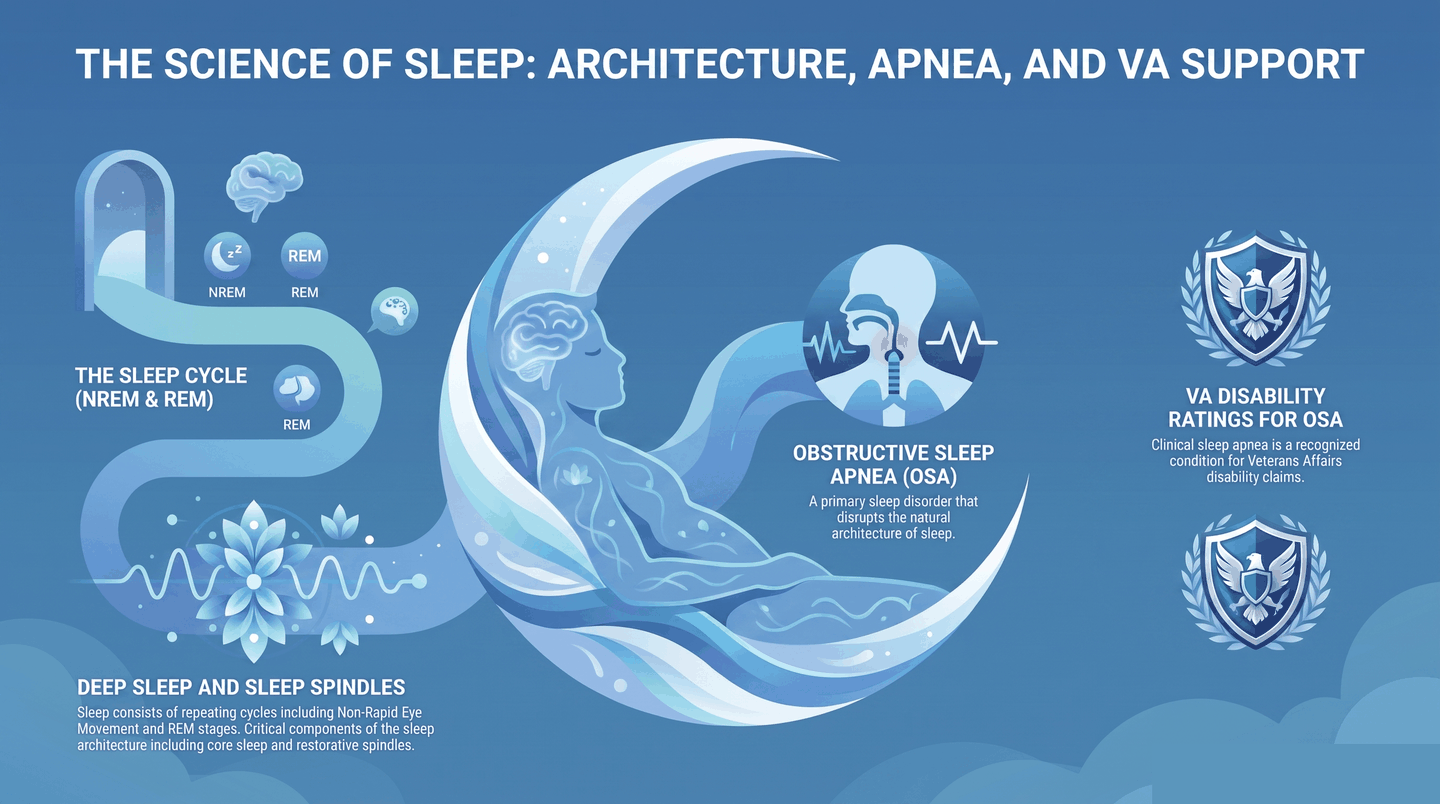
The recommended first-line treatment for chronic insomnia is cognitive behavioral therapy for insomnia (CBT-I), not medication. CBT-I has been shown to be superior to sleep medication for long-term remission, with an odds ratio of roughly 1.82 for maintaining improvement out to one year, and it carries no risk of dependence or rebound insomnia the way some sleep medications can.
When medication is used, it is typically short-term or targeted rather than a standalone fix. Trazodone, prescribed off-label, is the most commonly prescribed insomnia medication in the United States, usually dosed at 25–100 mg at night, often starting at 25–50 mg. Low-dose doxepin (3–6 mg), a selective H1-antagonist, is often considered a first-line option specifically for sleep-maintenance problems in older adults because it helps with staying asleep through the last third of the night. Any decision about medication, dosing, or combining it with therapy should be made with a doctor — this article does not provide dosing guidance for individual use.
Some people also look at supplements to support treatment alongside therapy. Melatonin is a chronobiotic, or timing hormone, rather than a sedative, so it is more effective for circadian misalignment like jet lag than for primary insomnia; typical starting doses are 0.5–1 mg, with 1–3 mg about 30 minutes before bed being a common range, and doses above 5 mg are not shown to be more effective. Magnesium in the 200–400 mg elemental range, taken 30–60 minutes before bed, has shown benefit in trials — one study using magnesium bisglycinate found a 17.8-minute reduction in time to fall asleep and a 19.3% increase in deep sleep. Ashwagandha (KSM-66) at 600 mg or more per day has moderate evidence for improving sleep onset and efficiency, though long-term data beyond 12 weeks is limited.
Sleep restriction therapy is one of the core techniques within CBT-I. It works by temporarily limiting the time spent in bed so it closely matches the amount of time actually spent asleep, which builds up sleep drive and reduces the fragmented, watching-the-clock pattern common in insomnia. This is typically guided by a clinician using data from a sleep diary, rather than something to self-administer from general guidance, since restricting time in bed incorrectly can increase daytime sleepiness.
A sleep diary (also called a sleep journal) is a simple daily record of bedtime, wake time, how long it took to fall asleep, and any nighttime awakenings. It is the data source that makes CBT-I techniques like sleep restriction therapy possible — without a record of actual sleep patterns, a clinician has no baseline to adjust from. Keeping a sleep diary for one to two weeks before a doctor's visit is a practical first step if chronic insomnia is suspected.
Talk to a doctor about insomnia if any of the following apply:
A doctor can determine whether CBT-I, a supervised sleep restriction program, medication, or a referral for further testing is the right next step. This article is informational and does not provide diagnoses or dosing instructions.
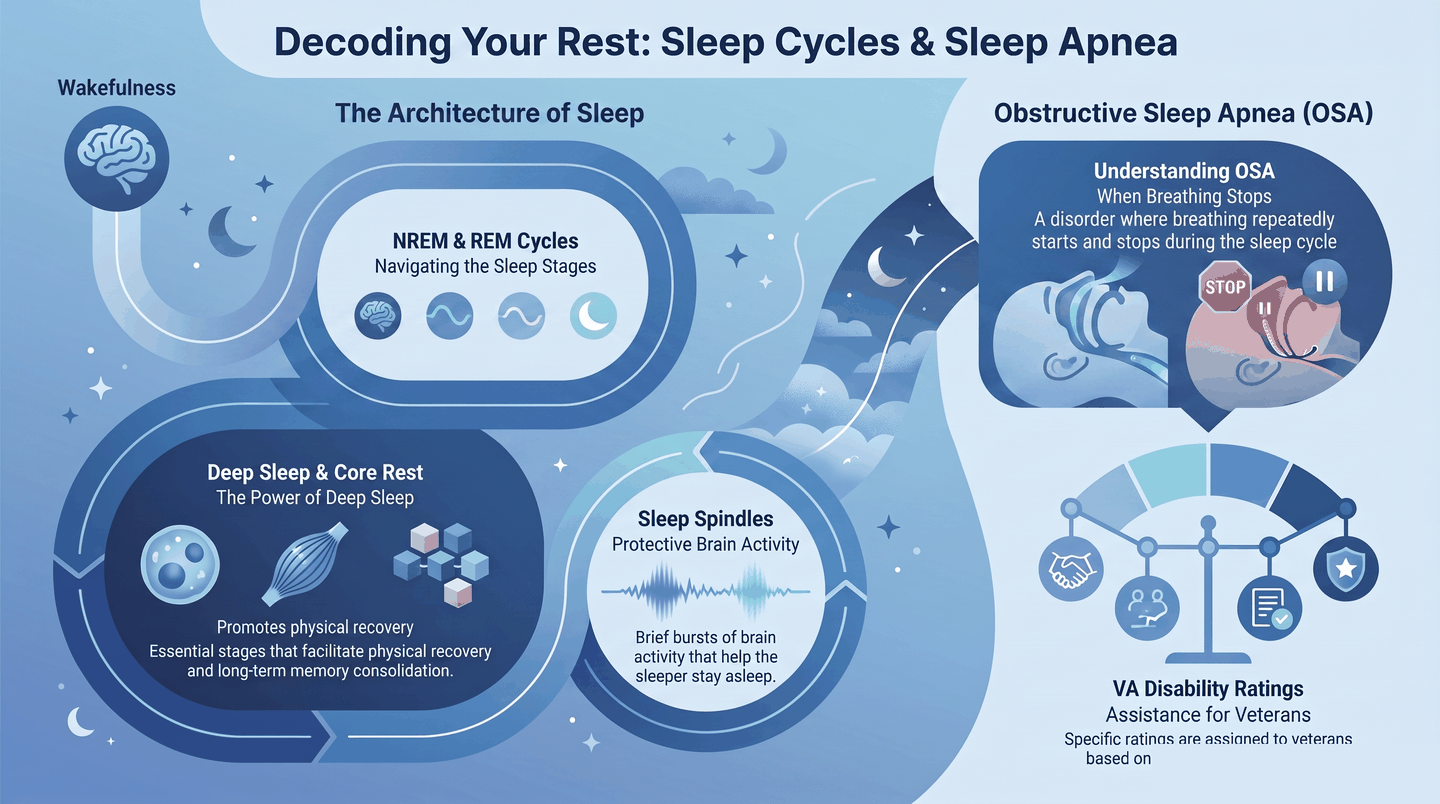
The clinical term for ongoing trouble sleeping is insomnia. It can be acute (short-term, often tied to stress, travel, or a specific life event) or chronic, meaning it occurs at least three nights a week for three months or longer despite adequate opportunity to sleep. Insomnia is generally described by which part of sleep it disrupts: trouble falling asleep at the start of the night (sleep-onset insomnia), or trouble staying asleep once you are already down (sleep-maintenance insomnia, covered below).
Insomnia is distinct from other sleep disorders that can look similar day to day. For example, obstructive sleep apnea also fragments sleep and causes daytime tiredness, but it is driven by breathing interruptions rather than the psychological and behavioral patterns behind insomnia — and it is estimated to affect 24–33% of U.S. adults, with roughly 80% of cases undiagnosed. If loud snoring or breathing pauses are part of the picture, that points toward apnea rather than insomnia alone, and is worth raising with a doctor separately.
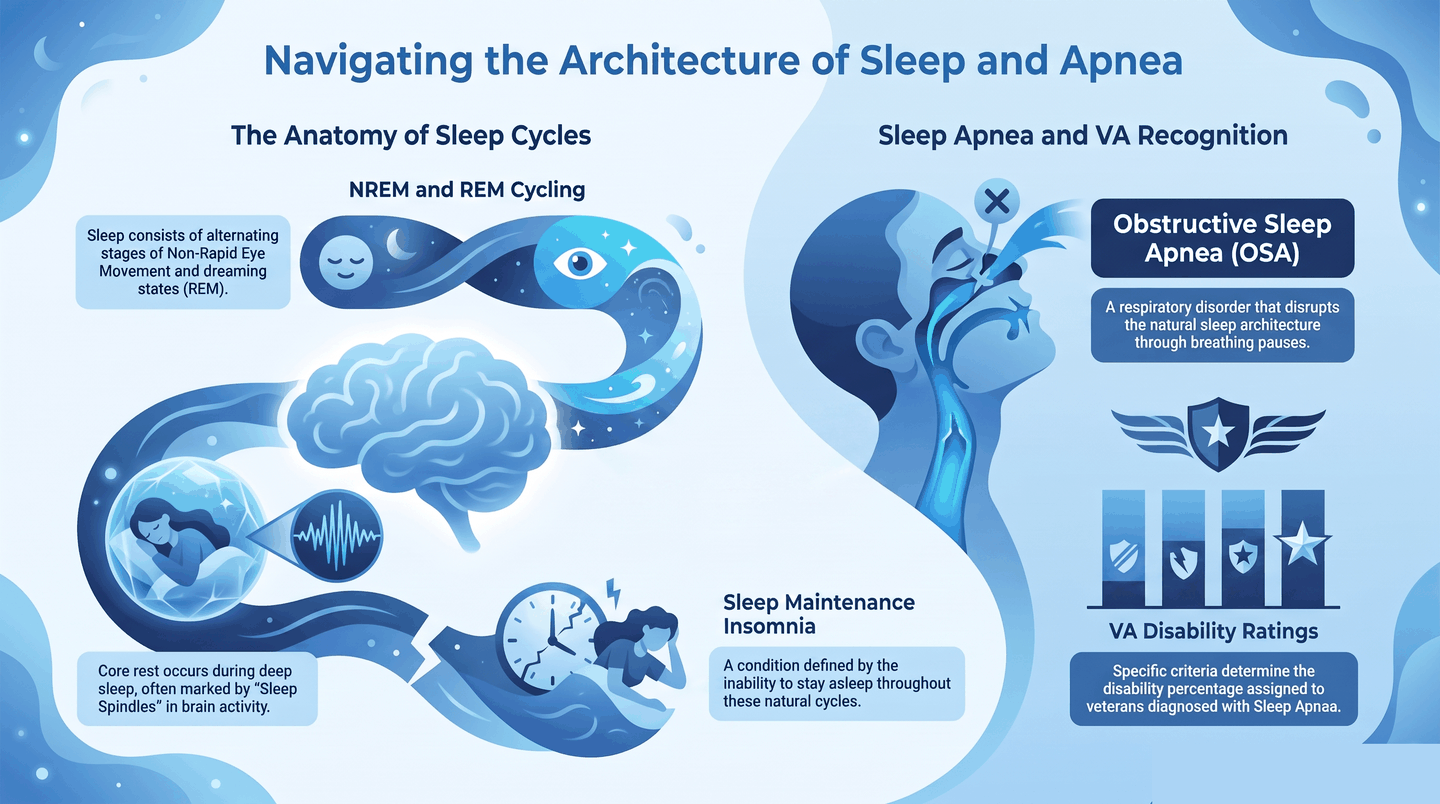
Sleep maintenance insomnia is difficulty staying asleep — waking during the night or too early in the morning and struggling to fall back asleep — rather than difficulty falling asleep initially. It is one of the most common patterns seen in chronic insomnia, especially as people get older, since the ability to generate deep, consolidated sleep tends to decline with age even though total sleep need does not.
Sleep maintenance insomnia is addressed with the same CBT-I framework used for insomnia broadly, including sleep restriction therapy and stimulus control (only being in bed when sleepy, and getting up if unable to sleep after a period of lying awake). Where medication is used specifically for staying asleep, low-dose doxepin is often considered a first-line option for older adults because of its effect on the later part of the night, though any medication decision should go through a doctor.
CBT-I (cognitive behavioral therapy for insomnia) is a structured, multi-week program that targets the thoughts and habits that perpetuate insomnia, rather than just sedating the symptom. It typically combines sleep restriction therapy, stimulus control, cognitive techniques for reducing anxious thoughts about sleep, and ongoing tracking through a sleep diary to adjust the plan.
The evidence for CBT-I is strong relative to medication: in comparative studies, CBT-I showed better long-term remission than sleep medication, with an odds ratio of about 1.82 for still being in remission at one year, and without the dependence or rebound-insomnia risk associated with long-term use of some sleep drugs. This is why CBT-I is considered the first-line treatment for chronic insomnia rather than an alternative to try after medication.
Sleep anxiety — worry or dread specifically about being unable to sleep — is both a common cause and a common consequence of insomnia. Once a few bad nights happen, anticipatory anxiety about the next night can itself become the thing that keeps sleep away, creating a self-reinforcing cycle. This anxious-anticipation pattern is one of the specific thought patterns that the cognitive component of CBT-I is designed to interrupt.
Sleep anxiety is different from sleep paralysis, a harmless REM-sleep phenomenon with a lifetime prevalence of around 7.6% in the general population (higher among students and psychiatric patients), which some people find frightening but which is not medically dangerous on its own. If anxiety around sleep is severe, persistent, or tied to a broader anxiety disorder, that is worth discussing with a doctor alongside any insomnia treatment plan. For same-night strategies to manage a racing mind at bedtime, see how to sleep better.